
Merja Zerga: A Complete Guide to Morocco’s Coastal Lagoon and Birdwatching Paradise
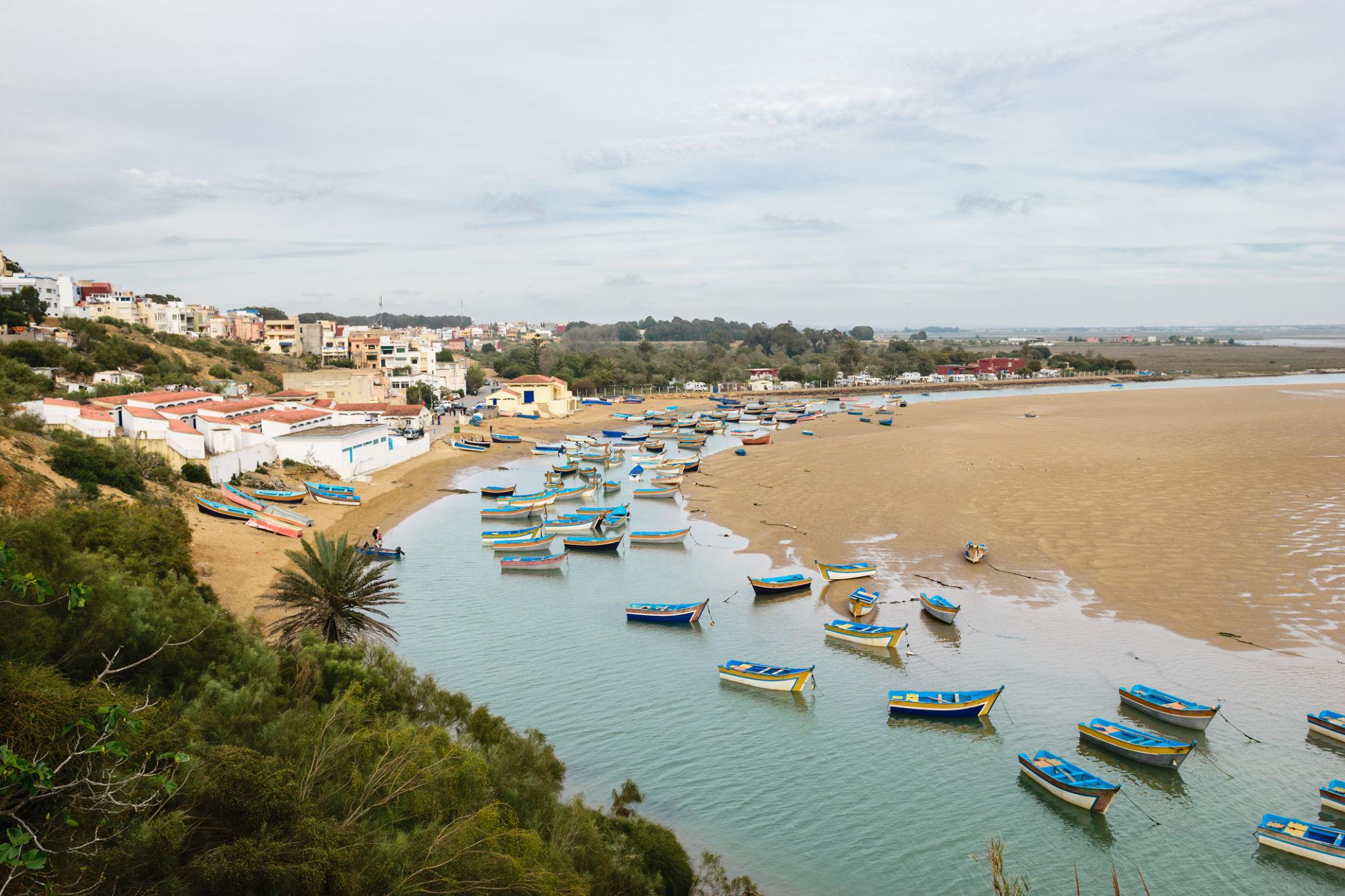
Morocco is famous for its Sahara dunes, historic medinas, and mountain landscapes, but its Atlantic coastline has a completely different side worth discovering. One of its most remarkable natural places is Merja Zerga, a beautiful blue tidal lagoon near the fishing village of Moulay Bousselham.
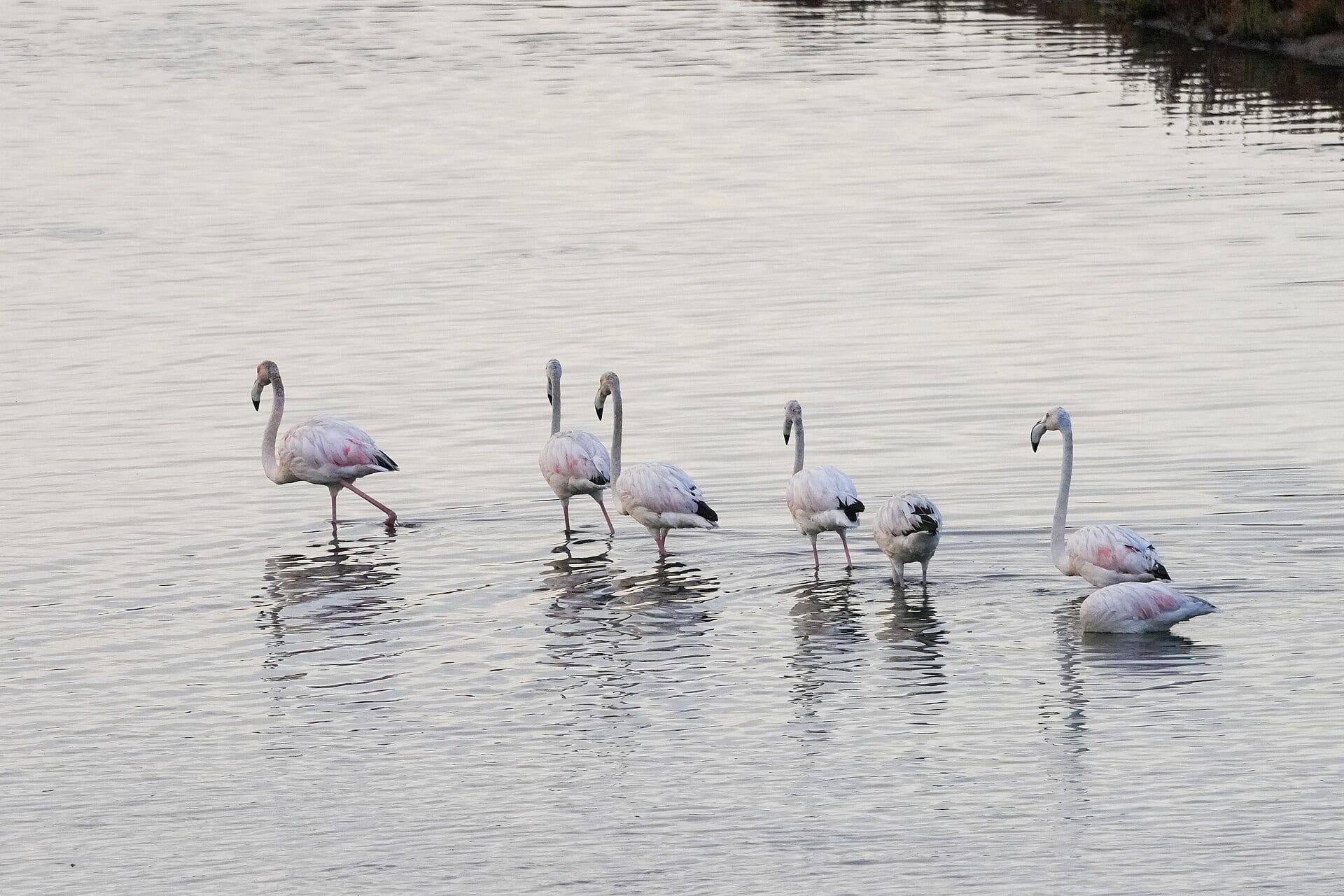
Surrounded by marshlands, sandy dunes, and small fishing communities, Merja Zerga is one of North Africa’s most important wetlands. Its calm waters attract thousands of migratory birds, including flamingos, herons, ducks, and shorebirds.
Visitors can explore the lagoon aboard traditional fishing boats, walk along the Atlantic beach, photograph wildlife, or simply enjoy the peaceful surroundings.
For travelers interested in birdwatching, nature, and discovering a less-visited part of Morocco, Merja Zerga is well worth exploring.
Where Is Merja Zerga Located?
Merja Zerga is located on Morocco’s northwestern Atlantic coast, beside the seaside village of Moulay Bousselham.
The lagoon lies approximately 70 kilometers north of Kenitra and around 35 kilometers south of Larache, within the Rabat-Salé-Kenitra region.
The surrounding landscape includes coastal dunes, marshlands, agricultural land, and small settlements where fishing remains an important part of daily life.
Moulay Bousselham is the main starting point for visiting the lagoon. The village has a small harbor, local seafood restaurants, guesthouses, and a sandy Atlantic beach.
Merja Zerga is also conveniently located for travelers exploring the route between Rabat and Tangier.
The Unique Ecosystem of Merja Zerga Lagoon
Merja Zerga is a tidal lagoon where freshwater and seawater meet.
Freshwater enters the wetland from local waterways, including the Drader River, while saltwater flows in from the Atlantic Ocean through the lagoon’s tidal connection.
This mixture creates a rich coastal ecosystem that supports an impressive diversity of plants, fish, and birds.
The wider wetland landscape is often described as covering approximately 70 square kilometers, although the extent of open water and flooded marshland changes with the tides and seasons.
During low tide, mudflats become exposed, providing feeding grounds for shorebirds. When the water rises, these areas are submerged again.
The lagoon’s changing water levels are essential to its ecological importance.
Merja Zerga was designated a Ramsar Wetland of International Importance in 1980, recognizing its value as a habitat for migratory and resident birds.
Today, the lagoon is regarded as one of Morocco’s most significant coastal wetlands.
Birdwatching at Merja Zerga
Birdwatching is the main attraction at Merja Zerga.
The lagoon lies along the East Atlantic Flyway, one of the world’s major bird migration routes. Each year, birds travel between northern breeding grounds and wintering areas farther south, using coastal wetlands as places to feed and rest.
Merja Zerga provides an important stopover and wintering habitat.
More than 100 bird species have been recorded in the lagoon and its surrounding habitats, making it an exciting destination for both experienced birdwatchers and casual nature lovers.
Birds You Can See at Merja Zerga
Some of the notable species recorded in the area include:
- Greater flamingos: Among the lagoon’s most recognizable birds, often seen feeding in shallow water.
- Audouin’s gulls: A distinctive Mediterranean gull that may be observed along Morocco’s Atlantic coast.
- Peregrine falcons: Powerful birds of prey occasionally seen hunting around coastal habitats.
- Marsh harriers: Raptors that search for prey over marshes and reedbeds.
- Grey herons: Large wading birds commonly associated with wetlands.
- Spoonbills: Easily recognized by their long, spoon-shaped bills.
- Common shelducks: Waterbirds that use coastal wetlands and estuaries.
- Eurasian wigeons: Migratory ducks that can be found in suitable wintering habitats.
- Marbled teals: A threatened duck species associated with Mediterranean wetlands.
- Common coots: Dark waterbirds frequently observed in freshwater and brackish habitats.
- Plovers and other waders: Shorebirds that feed on exposed mudflats.
Bird sightings depend on the season, weather, tidal conditions, and habitat availability.
Winter Bird Migration
Winter is particularly important for the lagoon’s bird populations.
Historical descriptions of Merja Zerga report seasonal concentrations reaching approximately 30,000 ducks and 80,000 waders during favorable periods.
These figures illustrate the wetland’s potential importance, but they should not be interpreted as current or guaranteed bird counts.
Actual populations fluctuate from year to year.
The lagoon has also been historically associated with the slender-billed curlew, an exceptionally rare migratory shorebird now considered extinct. It should not be included on a modern visitor’s list of expected sightings.
For today’s birdwatchers, flamingos, herons, ducks, gulls, and other shorebirds provide plenty of reasons to visit.
Best Time to Visit Merja Zerga for Birdwatching

Merja Zerga can be visited throughout the year, although different seasons offer different experiences.
Spring: March to May
Spring is one of the most pleasant times to visit the lagoon.
Migratory birds travel north, temperatures are generally comfortable, and the surrounding countryside can be especially green after winter rainfall.
This is a good season for birdwatching, nature photography, and exploring the nearby coastal landscape.
Summer: June to August
Summer brings warmer, generally drier conditions.
The area becomes more attractive for beach visits, walking, and spending time in Moulay Bousselham.
Although birds remain present, summer is not usually the strongest period for observing large concentrations of wintering waterbirds.
Autumn: September to November
Autumn is another excellent birdwatching season.
Migratory birds travel south along the Atlantic coast, and the lagoon becomes an important resting and feeding area.
The relatively mild weather also makes boat excursions and outdoor activities enjoyable.
Winter: December to February
Winter can be one of the most rewarding seasons for serious birdwatchers.
Large numbers of waterbirds may gather around the lagoon, particularly ducks and waders.
However, visitors should expect cooler weather, rainfall, strong winds, and potentially waterlogged marshland.
For pleasant weather and birdwatching, spring and autumn are excellent choices. For wintering waterbirds, December through February can be especially interesting.
Things to Do at Merja Zerga
Although birdwatching is the area’s biggest attraction, there are several other ways to enjoy Merja Zerga and its surroundings.
1. Take a Traditional Boat Trip
One of the best ways to experience Merja Zerga is by joining a boat excursion with a local guide or boatman.
Traditional fishing boats operate from the Moulay Bousselham area and can take visitors into suitable sections of the lagoon.
From the water, you can observe birds feeding in the shallows, explore the coastal scenery, and watch local fishermen at work.
A knowledgeable local guide can also explain how the tides influence bird movements and which areas are best for wildlife observation.
Boat trips depend on weather, tides, and local availability.
2. Enjoy a Guided Birdwatching Excursion
For visitors who want to identify different bird species, hiring a specialist birdwatching guide is highly recommended.
A local guide familiar with Merja Zerga can help visitors locate suitable observation points and understand the lagoon’s ecology.
Birdwatching excursions can be particularly rewarding in the early morning or around favorable tidal conditions.
Bringing binoculars, comfortable footwear, and a camera with a telephoto lens is recommended.
3. Explore Moulay Bousselham
Moulay Bousselham is a small Atlantic fishing village overlooking Merja Zerga.
Its relaxed atmosphere makes it a pleasant place to spend a few hours.
Visitors can walk around the harbor, watch fishing boats, enjoy fresh seafood, or explore the nearby beach.
Unlike Morocco’s larger coastal resorts, Moulay Bousselham remains closely connected to its fishing traditions.
4. Discover the Atlantic Beach
The sandy Atlantic coastline near Moulay Bousselham is another attraction.
Visitors can enjoy a beach walk, relax by the ocean, or photograph the dunes and coastal scenery.
The Atlantic can have strong currents and rough surf, so swimming should only be considered where local conditions are confirmed safe.
5. Try a Local Fishing Excursion
Fishing is an important part of life around Merja Zerga.
Local fishermen sometimes arrange excursions for visitors interested in learning about traditional fishing practices.
Depending on local rules, seasonal restrictions, and available operators, fishing experiences may be possible.
Even travelers who do not want to fish can enjoy a boat trip focused on the landscape and wildlife.
6. Walking and Cycling Around the Lagoon
The surrounding countryside offers opportunities for walking and exploring quiet rural roads.
Visitors can discover coastal landscapes, farmland, small settlements, and viewpoints overlooking the wetland.
Cycling or mountain biking may also be possible along suitable local routes, although sandy tracks and wet ground can make some areas difficult.
Visitors should avoid entering sensitive bird habitats and follow local conservation guidance.
7. Visit Nearby Merja Khaloufa
Dedicated birdwatchers may also be interested in Merja Khaloufa, another wetland area associated with the wider coastal landscape.
It can offer additional opportunities to observe waterbirds, depending on seasonal conditions and access.
A knowledgeable local guide can advise whether combining the two wetlands is practical during your visit.
How to Get to Merja Zerga
Merja Zerga is most easily reached by car.
The nearby village of Moulay Bousselham is accessible from the Atlantic motorway corridor connecting Rabat, Kenitra, Larache, and Tangier.
Kenitra is approximately 70 kilometers away, while Rabat is the nearest major city with an international airport.
Visitors arriving from other parts of Morocco can arrange private transportation or combine the lagoon with a longer northern Morocco itinerary.
Traveling by private car is particularly convenient for birdwatchers carrying photography equipment or planning an early-morning visit.
How Long Should You Spend at Merja Zerga?
A half-day visit is sufficient for travelers who want to enjoy a boat trip, see the lagoon, and explore Moulay Bousselham.
A full day is better for visitors who want to combine birdwatching, photography, walking, and a seafood lunch