

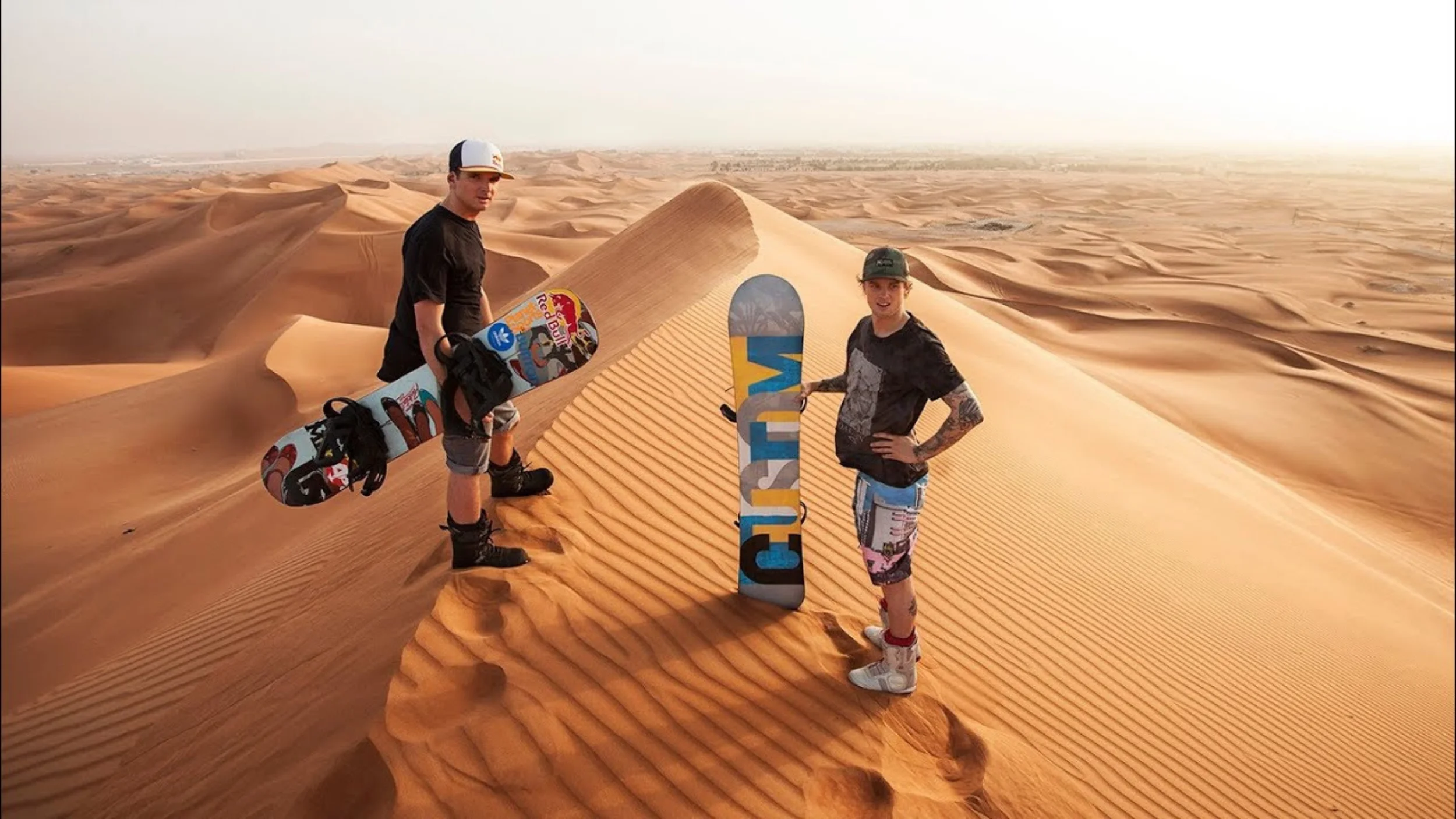

What to do in Morocco depends on how much time you really have. For a first trip, I would choose Marrakech, the High Atlas and the real Sahara around Merzouga, then finish in Fes if you have eight to ten days. With only a week, pick one long route and leave the coast and Chefchaouen for later. The mistake is trying to tick off every famous place and spending your holiday looking through a car window.
What to do in Morocco first
Start with a medina, a mountain road and one place where the pace slows down. For most people, that means two full days in Marrakech, the road through Tizi n’Tichka to Ait Ben Haddou and the south, one night in the dunes near Merzouga, then Fes. It gives you city life, mountains, old trading towns and desert without pretending that Morocco is small.
Morocco received 19.8 million tourist arrivals in 2025, up 14% on 2024. You will feel that growth in Marrakech and at the popular desert camps. It does not mean you should avoid them. It means you should book a sensible time, stay two nights where it matters and not chase the same photo as everybody else. Morocco’s Ministry of Tourism and the OECD’s 2026 tourism report both report the 19.8 million figure.
My short list would be:
- Walk Marrakech in the early morning, then return to Jemaa el-Fna after dark.
- Cross the High Atlas and stop at Ait Ben Haddou instead of rushing straight to a camp.
- Sleep near Erg Chebbi at Merzouga if you can spare the driving days.
- Give Fes a proper morning with a licensed guide, then walk it alone later.
- End on the Atlantic in Essaouira if you have two extra nights.
Morocco has nine sites on the UNESCO World Heritage List. You do not need to collect all nine. The old medinas of Fes and Marrakech, Ait Ben Haddou and Essaouira are enough history for one good first visit. UNESCO’s Morocco list confirms their inscription years: Fes in 1981, Marrakech in 1985, Ait Ben Haddou in 1987 and Essaouira in 2001.
Build your route around the driving, not the pins
The map is the part people underestimate. A place can look close on a phone, then you find a mountain pass, village traffic and a lunch stop that turns a simple line into a long day. I plan the south by daylight, especially for families. You want to see the road, not arrive at a riad tired and late.
For a classic trip, fly into Marrakech and fly out of Fes or Tangier. This saves the drive back. If you are coming through Casablanca, use it as an arrival point or a short stop for the mosque, then move on by train. The ONCF serves the main northern cities and publishes live schedules, so check your exact train before you lock in a hotel or dinner reservation.
If you want real high dunes, Merzouga needs a minimum of three days from Marrakech. I have driven that route many times. Trying to do it in two days makes the desert a few minutes between long coach rides. Agafay is useful for a one-night desert-style stay close to Marrakech, but it is a rocky landscape, not the Sahara. I would not sell one as the other.
The High Atlas is not a quick photo stop either. The range stretches about 750 kilometres, and Jbel Toubkal rises to 4,167 metres. Those are figures from the Moroccan National Tourist Office. You do not need to climb Toubkal to enjoy the mountains. A village walk around Imlil, bread fresh from an oven and a quiet lunch above the valley can be the best day of the trip.
The experiences I would put first
Marrakech, but with a little patience

Marrakech is loud, hot and sometimes tiring. It is also the right first stop for many visitors. Walk the souks before 10 a.m., when delivery carts and shopkeepers still own the lanes. In the evening, hear the square from a roof terrace before choosing where to eat. Do not accept the first person who says a road is closed or offers to take you somewhere special.
I would pay for Jardin Majorelle if you enjoy gardens, design or a break from the medina. The official garden lists international adult entry at 170 MAD and says tickets are sold online only. That is a small planning detail, but it saves a very annoying taxi ride for nothing. Use the official Jardin Majorelle site rather than a reseller.
The High Atlas and Ait Ben Haddou
The drive across Tizi n’Tichka is part of the experience, but do not confuse a viewpoint stop with seeing the mountains. Stay or walk somewhere if you can. Then continue to Ait Ben Haddou, a ksar of earthen buildings above the Ounila valley. It was listed by UNESCO in 1987, and it is worth seeing in the cooler part of the day when the tour buses are gone.
I like this section of Morocco because it has room to breathe. Clients often arrive thinking the desert will be their favourite part. Then they remember the tea in a small mountain guesthouse, the smell of wet earth after irrigation, or the old woman walking home with bread under her arm. That is normal. The road between the big places is where Morocco starts to make sense.
A night near Merzouga, done honestly

Erg Chebbi is the real dune country that most visitors mean when they say Sahara. Go for sunset or sunrise, walk if you do not want a camel ride, and choose a camp with a clear location and real bathroom details before you pay. Ask how long the transfer from Merzouga village takes, what meal is included and whether the camp runs generators late at night.
I would skip the loud camp with the big drum show if your idea is quiet stars. A smaller camp is better for many people. In winter, bring layers. Desert nights can be cold even after a warm afternoon. In July and August, I would keep the desert short or move the trip to the coast and mountains instead.
Fes, the city that needs more time

Fes is not Marrakech with blue tiles. It is older, tighter and much easier to enjoy once you stop trying to see every lane. The Medina of Fes was added to the World Heritage List in 1981. Its medieval fabric is why I suggest a licensed guide for one morning, not three days of being marched behind somebody with a flag.
After that first orientation, go back to the food stalls, a fondouk or the tanneries on your own terms. The smell at the tannery is real. The shopkeeper offering mint to hold under your nose is also real. Buy leather only if you like it, not because somebody spent 20 minutes explaining the vats to you.
Essaouira when you need the coast

Essaouira is where I send people who have had enough traffic and bargaining. The medina is smaller, the fish comes straight from the port and the Atlantic wind changes the temperature completely. It is better for walking, seafood and wind sports than lying still on a hot beach.
Give it two nights if you have them. If your trip includes children, the coast can be a much smarter final stop than adding another long road day. My fuller Essaouira guide explains what the city is good for and why the wind matters.
Casablanca, Rabat and Chefchaouen
Casablanca works as a half-day or one-night stop when you want the Hassan II Mosque. Its minaret is 200 metres high, and Casablanca’s visitor guide says non-Muslim visits are guided. Access changes around prayer and holidays, so check the current Casablanca visitor information before you go.
Rabat is calmer and very easy to add by train. Chefchaouen is beautiful, but it is not on the direct line between Marrakech and the Sahara. Go if you have at least two extra days or if you are beginning or ending in Tangier. One blue alley is enough for a photo. Stay overnight if you want to feel the town after the day visitors leave.
A realistic 7 to 10 day Morocco plan
This is the route I suggest most often for a first visit. It leaves space for slow breakfasts, traffic and a stop you did not plan. The best version is open-jaw: arrive in Marrakech and depart from Fes, Tangier or Casablanca.
| Days | Base or route | What to do | My advice |
|---|---|---|---|
| 1-2 | Marrakech | Medina, palaces, food, Majorelle if it suits you | Stay inside the medina or close enough to walk. Do not book three museums in one day. |
| 3 | Marrakech to Dades area | Tizi n’Tichka, Ait Ben Haddou, Skoura or Dades | This is a long drive. Keep the stops good and few. |
| 4 | Dades to Merzouga | Todra Gorge, desert approach, camp night | Arrive before sunset. Check your camp standards before departure. |
| 5 | Merzouga to Midelt or Fes | Sunrise, Ziz Valley, road north | A long transfer. Add a night in Midelt if you dislike long driving days. |
| 6-7 | Fes | Medina, food, craft workshops | Use an official guide for the first half-day only. |
| 8-10 | Chefchaouen, Rabat or Essaouira | Choose one extension, not all three | Pick the north for blue streets, Rabat for an easy city, Essaouira for coast. |
With seven days, end in Fes after the desert and do not add Chefchaouen. With ten, add the north or coast, depending on your flights. Families should be even stricter with this. A good family trip in Morocco has fewer hotel changes, more snack and toilet stops, and driving days that do not stretch past what the children can handle.
What most guides get wrong
Most guides start with a long list. That is easy to write and terrible to follow. Morocco is not a country where you can combine Marrakech, Fes, Chefchaouen, Merzouga, Essaouira and Casablanca in seven days without making half the trip a transfer.
I also see two bad ideas every week. The first is calling Agafay the Sahara. It is fine for a close-to-Marrakech camp night, but the sand dunes people expect are near Merzouga or farther south. The second is treating a desert tour as a cheap bus ticket. A good desert trip is about the driver, the stops, the hotel before the camp and the honesty of the timing. The camel is the easy part.
Do not spend your first hours buying a rug, leather jacket or a full set of spices because someone says it is today only. Walk away, have tea, see more shops and come back if you still want it. I have watched people carry things around Morocco that they did not even like by the next morning.
Practical booking, safety and money notes
Book the things that have a fixed capacity. Majorelle tickets are online only. A good desert camp, a reliable driver and a family-friendly riad also need earlier planning in school holidays. For the rest, leave room. You may find a better restaurant, a craft workshop or simply want a nap after the medina.
Carry some cash for taxis, tips and small shops. Agree a taxi fare before getting in if the meter is not running. In the medina, use a licensed guide with an official badge when you want one. A polite “no, thank you” works better than arguing with somebody who has decided you are lost.
Morocco is a normal country with normal risks. Keep your phone and bag close in crowds, do not walk alone in quiet streets late at night, and check official travel advice before departure. For US travellers, the US State Department’s Morocco advisory is the right place for current entry, safety and legal information. Rules change, especially visas, passport requirements and local opening times.
My last advice is simple: build your trip around two or three areas you actually care about. If you want help making that route work with your dates and pace, I can put together a private Morocco itinerary that does not waste your days on the road.
FAQ
What are the best things to do in Morocco on a first trip?
For a first trip, I would choose Marrakech, the High Atlas, Ait Ben Haddou, a night near Merzouga and Fes. Add Essaouira only if you have two extra nights. This gives you different parts of Morocco without making every day a transfer.
Is seven days enough for Morocco?
Yes, seven days is enough for a focused Morocco trip. Do Marrakech, the south and Fes, then leave Chefchaouen and the coast for another visit. Trying to add both will make the holiday feel rushed.
Is Merzouga or Agafay better?
Merzouga is better if you want large Sahara dunes and can give it three days from Marrakech. Agafay is better for one easy night close to Marrakech. They are different places, and the honest choice comes down to time.
Do I need a guide in Marrakech or Fes?
You do not need a guide all day, every day. In Marrakech, I would book one only if you want history or food help. In Fes, a licensed guide for the first morning can save you time and help you understand the medina, then you can explore on your own.
Is Morocco good for a family trip?
Yes, if you reduce the driving and do not change hotels every night. Children often enjoy the camp, food cooking, animals and simple mountain walks more than another long museum visit. A private car and planned rest stops make a big difference.
What should I book before arriving?
Book your first riad, any domestic flight, a private driver or desert camp, and timed entry for Jardin Majorelle. Train schedules and standard city activities can usually be arranged closer to the date, but check the official operator directly. During school holidays, do not leave family rooms until the last minute.
Sources
- Morocco Ministry of Tourism, “Morocco reaches nearly 20 million tourists in 2025” (2026)
- OECD, Tourism Trends and Policies 2026: Morocco (2026)
- UNESCO World Heritage Centre, Morocco properties list (accessed 2026)
- Moroccan National Tourist Office, Geography of Morocco (accessed 2026)
- ONCF Voyages, Morocco rail schedules and tickets (accessed 2026)
- Jardin Majorelle, official visitor information (accessed 2026)
- WeCasablanca, visitor information for Hassan II Mosque (accessed 2026)
- US Department of State, Morocco Travel Advisory (updated September 2026)
About the author
Born and raised in Morocco, Hamid designs private family journeys with trusted drivers, licensed guides, riads, desert camps, and realistic pacing.