

Taliouine Saffron Morocco: Your Complete Travel and Food Guide
If you are looking for an authentic Moroccan experience away from the busiest tourist routes, Taliouine saffron is an excellent reason to travel through the Anti-Atlas Mountains.
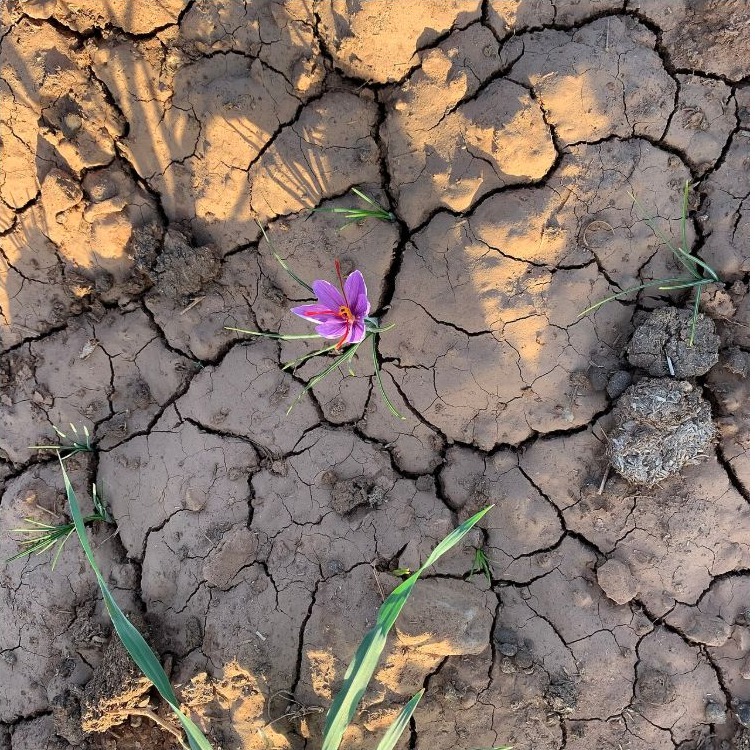
Known as Morocco’s “red gold,” Taliouine saffron connects mountain landscapes, traditional farming, Berber heritage, local food, and rural hospitality. The purple saffron flowers appear for only a short period each autumn, making the harvest season a particularly special time to visit.
What Is Taliouine Saffron?
Taliouine saffron is made from the dried red stigmas of Crocus sativus, the saffron crocus. Each flower produces only a few delicate threads, which explains why genuine saffron is one of the most valuable spices in the world.
In Morocco, saffron is used in tagines, couscous, rice, soups, sauces, and festive dishes. It adds a warm golden colour, a floral aroma, and a subtle earthy flavour.
Taliouine is located in Morocco’s Souss-Massa region, in the Anti-Atlas mountain area. The region’s reputation comes from the relationship between its natural environment and generations of farming knowledge.
Research identifies altitude, soil, rainfall, temperature, harvesting, drying, and storage as important factors in saffron quality. In 2010, Taliouine saffron was registered as a protected designation of origin in Morocco.
Why Is Taliouine Called Morocco’s Red Gold?
Saffron is called red gold because it takes considerable time and care to produce. The flowers must be collected by hand, and the red stigmas must be separated and dried carefully.
The value of Taliouine saffron is not only economic. It is also an important part of local culture and rural life. Traditional knowledge has been passed from one generation to another, with women and young people playing an important role in production and preparation.
The dry climate, mountain soil, and traditional farming methods all contribute to the special character of saffron from this region.
How Is Saffron Harvested in Taliouine?
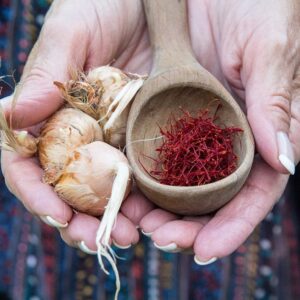
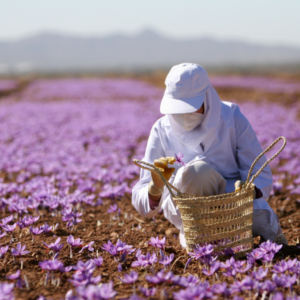
Saffron production begins with planting corms, the underground structures from which the flowers grow. When the flowers bloom, farmers pick them by hand, usually early in the day while they are still fresh.
The flowers are then opened and the red stigmas are removed carefully. These threads are dried before being stored and sold.
This process requires patience and precision. The small amount of saffron found in a local package represents many hours of manual work.
A visit to a local saffron cooperative can help you understand the complete process. Depending on the season and local arrangements, you may see saffron being sorted, learn how whole threads are checked, and meet people who help preserve this traditional Moroccan product.
When Is the Best Time to Visit Taliouine?
The best time to visit Taliouine for saffron is usually autumn, especially October and November. The exact harvest dates depend on the weather each year.
The annual saffron festival is generally associated with the late-October or early-November period, although the dates may change.
During the harvest season, the countryside, markets, cooperatives, and villages have a special atmosphere. Visitors can experience a quieter and more personal side of Morocco.
Taliouine is also rewarding outside the harvest season. Travellers can enjoy the Anti-Atlas scenery, mountain villages, local food, and peaceful roads throughout the year.
Where Can You Buy Genuine Moroccan Saffron?
When buying saffron, look for whole red threads rather than bright powder. Ask where the saffron was grown, when it was harvested, and whether it comes from a cooperative or traceable producer.
Do not assume that every product labelled “Taliouine saffron” is organic. Organic certification depends on the individual producer, so ask for proof if this is important to you.
Saffron should be stored in an airtight container away from light, heat, and moisture. When cooking, steeping a few threads in warm water or stock helps release the colour and aroma.
You may also find other regional products, including honey, almonds, herbs, and traditional handicrafts.
What Can You See Near Taliouine?
Taliouine works well as part of a southern Morocco itinerary. Depending on your travel dates and starting point, you can combine your visit with:
- Taroudant and its historic walls
- Anti-Atlas mountain villages
- Ouarzazate and the Draa Valley
- Aït Ben Haddou and the surrounding kasbahs
- The Atlas Mountains
- A sunset camel ride and overnight stay in the Sahara Desert
- Marrakech before or after your journey
The roads through this region are best enjoyed slowly, with time for photographs, tea, village visits, and local meals.
Suggested Taliouine Saffron Itinerary
Day 1: Travel from Marrakech or Agadir toward Taroudant and continue into the Anti-Atlas.
Day 2: Visit Taliouine, meet a local cooperative if available, learn about saffron production, and explore the surrounding landscapes.
Day 3: Continue toward Ouarzazate, the Draa Valley, or another southern Morocco destination.
Days 4–7: Add Aït Ben Haddou, the Atlas Mountains, and a Sahara Desert camp.
Your itinerary can be shorter or longer depending on your travel dates and interests.
Why Visit Taliouine With a Local Guide?
Taliouine is most rewarding when you have time to meet local people and understand the landscape.
A local guide or experienced driver can help you find an appropriate cooperative, explain regional customs, suggest seasonal stops, and create a comfortable route.
A private journey also allows you to stop for photographs, tea, village visits, and local meals without following the timetable of a large group.
Plan Your Taliouine Saffron Journey With Local Experts
Taliouine saffron is more than a spice. It is a story of place, patience, farming knowledge, and Moroccan hospitality.
At Morocco Travel Experts, we create private journeys with local drivers, certified guides, carefully selected accommodations, and flexible itineraries. We can help you include Taliouine saffron in a route through the Anti-Atlas, kasbahs, valleys, the Atlas Mountains, and the Sahara Desert.
Contact Morocco Travel Experts to plan your private Taliouine saffron tour.
Tell us your travel dates, starting city, group size, and the places you would like to visit. We will create a personalized Morocco itinerary designed around your saffron experience.
You can also plan a custom Morocco itinerary, explore our private Morocco tours, or learn more about our Morocco travel services.
Frequently Asked Questions About Taliouine Saffron
Is Taliouine saffron real saffron?
Yes. Taliouine saffron comes from Crocus sativus, the saffron crocus. Choose whole threads from a traceable producer or cooperative.
Is all Taliouine saffron organic?
No. Do not assume that every product labelled Taliouine saffron is organic. Ask the seller for certification if organic status matters to you.
How much saffron do I need for cooking?
Usually, only a small pinch is needed. Steep a few threads in warm liquid before adding them to your dish.
Can I visit a saffron cooperative?
Cooperative access depends on the season and opening hours. It is best to organise your visit in advance.
Can I combine Taliouine with the Sahara Desert?
Yes. Taliouine can be combined with Taroudant, Ouarzazate, the Draa Valley, Aït Ben Haddou, the Atlas Mountains, and a private Sahara Desert tour.